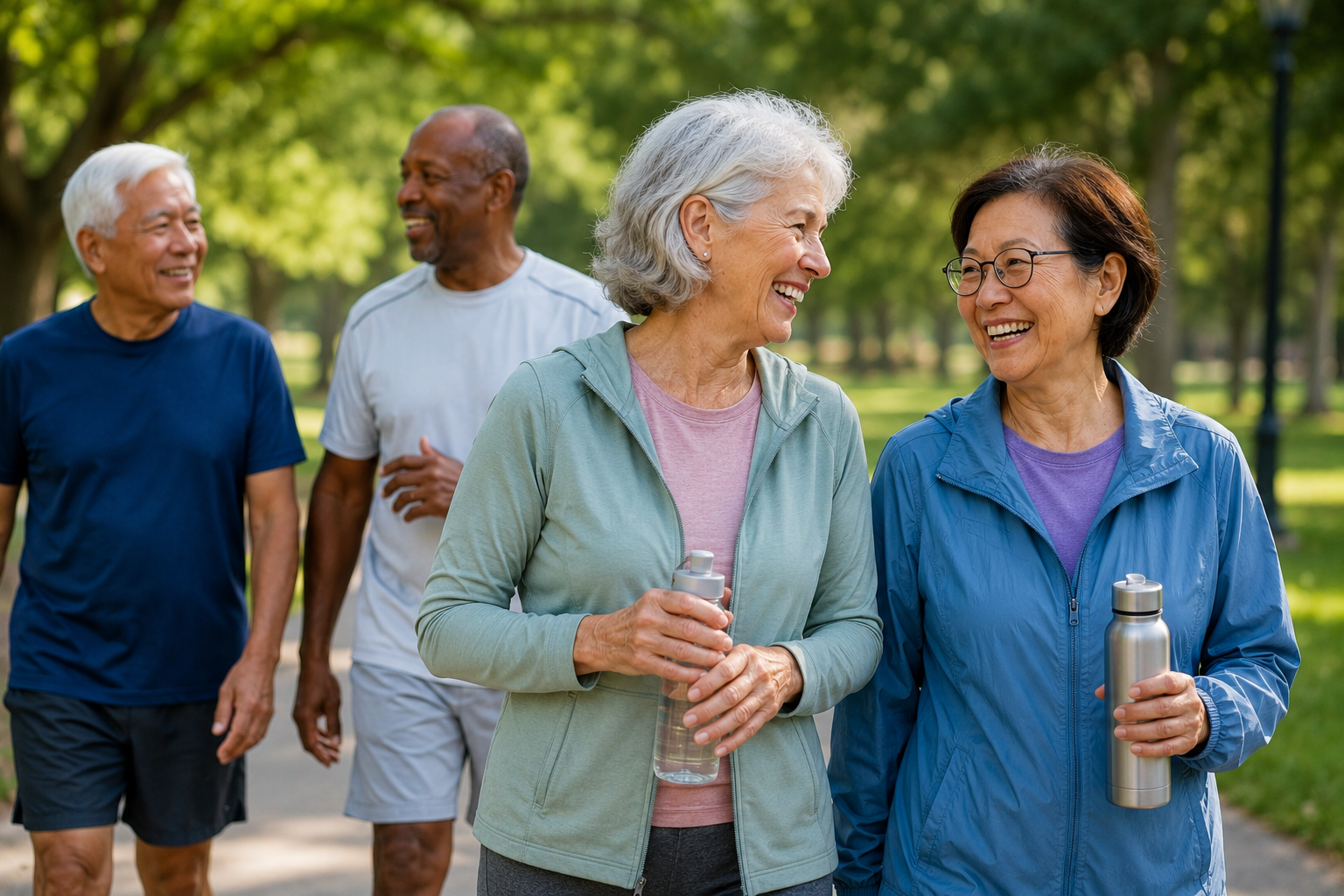
As life expectancy continues to increase, healthy ageing has become one of the most important public health priorities worldwide. While conversations about vaccination often focus on children, growing evidence shows that immunization plays an equally critical role later in life.
A recent article published by Vaccines Today, “The Essential Role of Vaccines in Healthy Ageing,” explores how adult vaccination can help older adults maintain their health, independence, and quality of life. The article features insights from Lucie Marisa Bucci, Partner at Bucci-Hepworth Health Services Inc., Jane Barratt, PhD, Dr. Shelley Deeks, and Craig Thompson, RN, who examine why vaccination should be viewed as a cornerstone of healthy ageing—not simply a tool for preventing infectious disease.
Healthy Ageing Means More Than Living Longer
As people age, their immune systems naturally become less effective at fighting infections. This increased vulnerability places older adults at greater risk for illnesses such as:- Influenza
- Respiratory Syncytial Virus (RSV)
- Pneumococcal disease
- Shingles (Herpes Zoster)
Vaccines May Help Protect Against More Than Infection
Emerging research highlighted in the article suggests that vaccination may provide benefits beyond preventing infectious diseases. Evidence increasingly indicates that preventing infections may also reduce the risk of serious chronic health events, including:- Heart attacks
- Stroke
- Dementia-related decline
- Cardiovascular complications
Supporting Independence and Quality of Life
Maintaining good health in later years has benefits that extend well beyond the healthcare system. Healthy older adults continue to make meaningful contributions by:- Caring for spouses and family members
- Volunteering within their communities
- Remaining active in the workforce
- Supporting grandchildren and future generations
- Participating in social and community activities
Adult Vaccination Still Faces Significant Barriers
Despite the growing body of evidence supporting adult immunization, vaccine uptake among older adults remains lower than recommended in many countries. The article identifies several ongoing challenges, including:- Limited public awareness
- Vaccine hesitancy
- Differences in public funding and eligibility
- Access barriers
- Historical emphasis on childhood vaccination programs over adult immunization
A Shift Toward Lifelong Immunization
The authors emphasize that healthcare systems should adopt a broader view of vaccination as a lifelong strategy rather than one focused primarily on childhood. Modern vaccines designed specifically for older adults produce stronger immune responses and offer improved protection for ageing immune systems. Combined with multigenerational vaccination approaches—such as protecting caregivers and household members—these strategies help reduce the spread of disease among those most vulnerable. As populations continue to age, strengthening adult immunization programs will play an increasingly important role in:- Reducing hospitalizations
- Preserving functional independence
- Supporting healthier ageing
- Reducing pressure on healthcare systems
- Improving overall quality of life
